
Welcome! I'm Matthew S. Smith, a prolific technology journalist, author, and consumer tech consultant from Portland, Oregon. For 18 years, I've covered cutting-edge technology from a variety of perspectives.
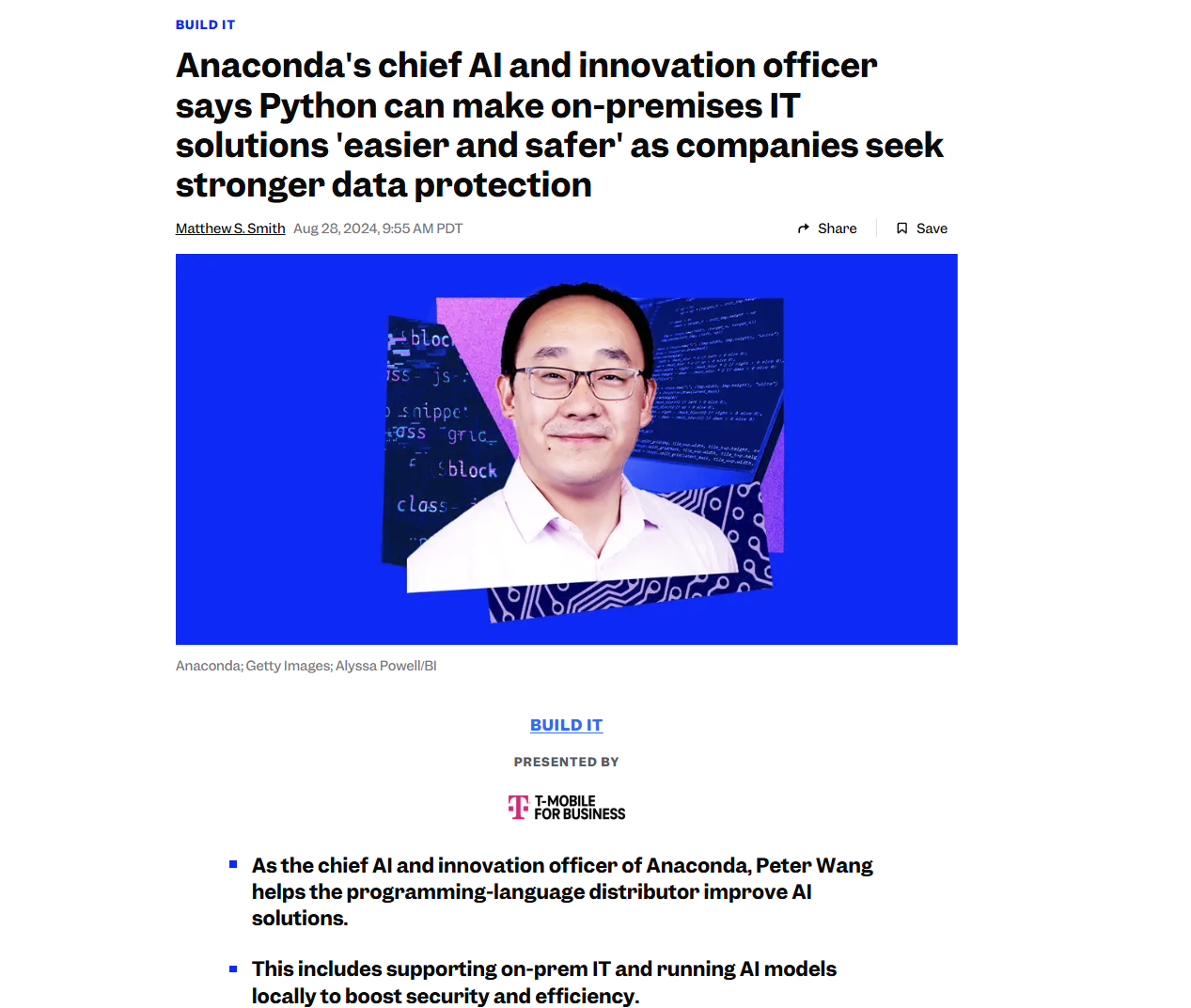
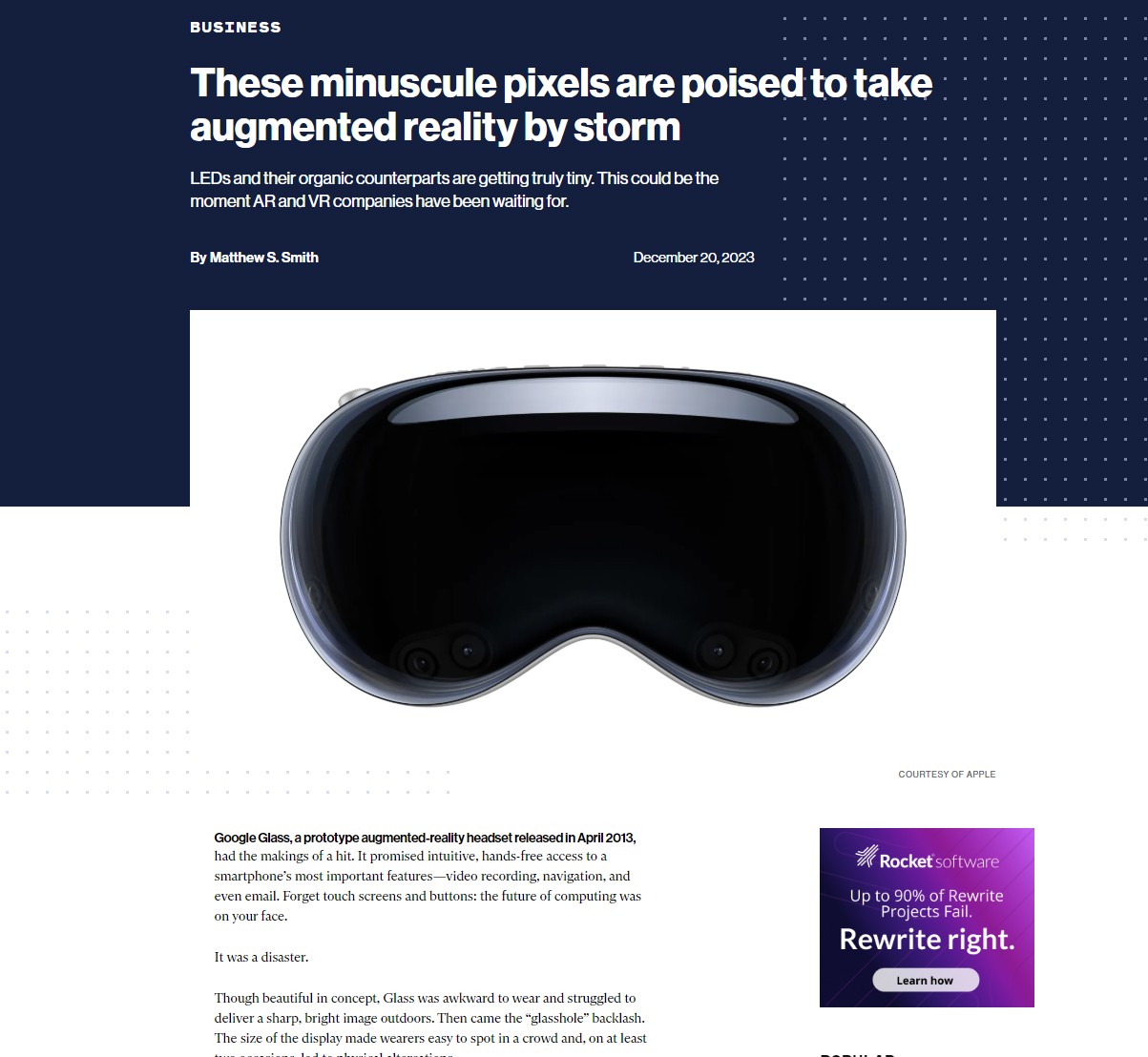
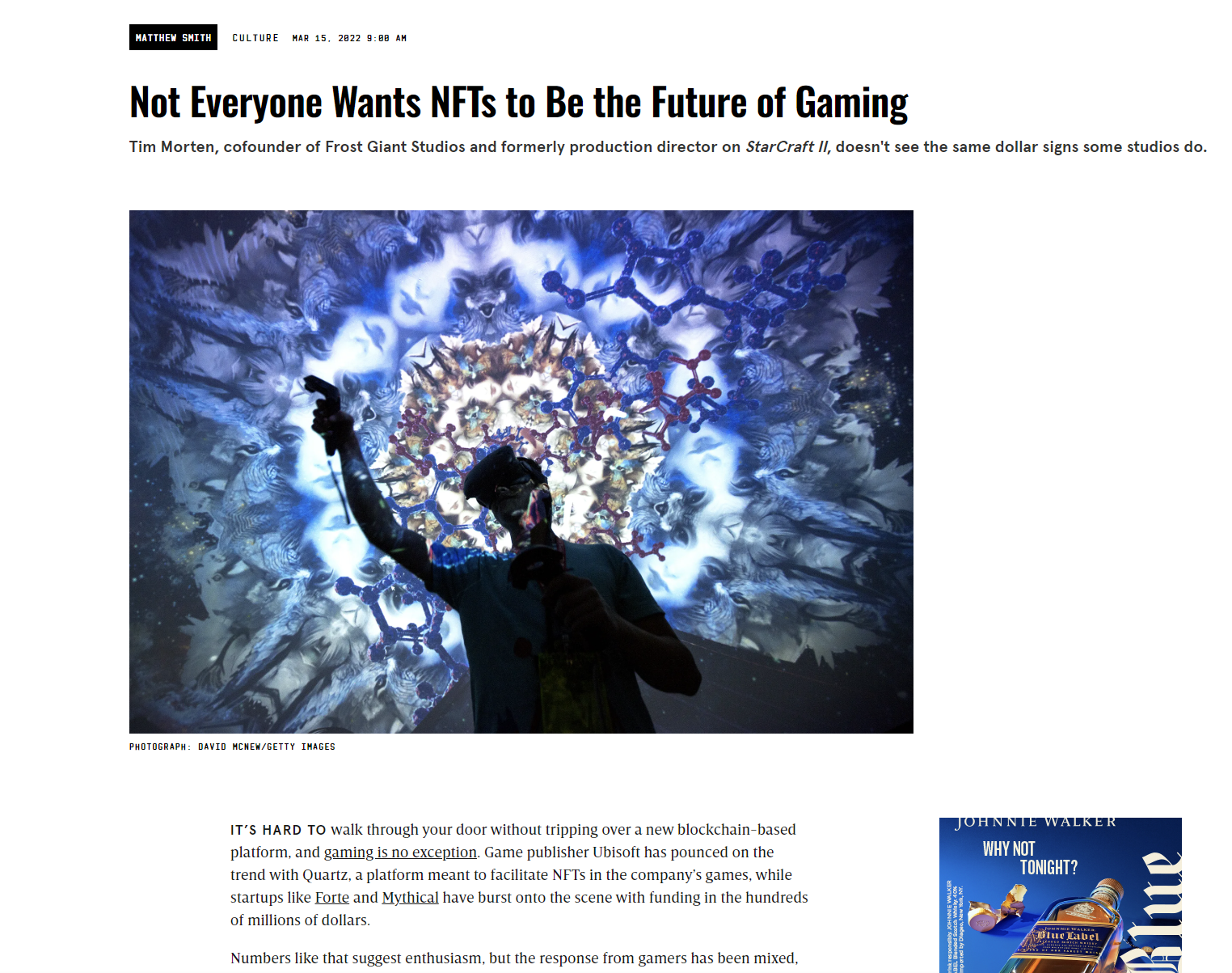
I’ve reported extensively on the technical and legal issues surrounding AI, interviewed CTOs and technology leaders at innovators like Perplexity and Anaconda, and witnessed the early rise of the metaverse and blockchain technology. In 2026 I won the Jesse H. Neal Award for Best Generative AI Coverage alongside several editors and writers at IEEE Spectrum.
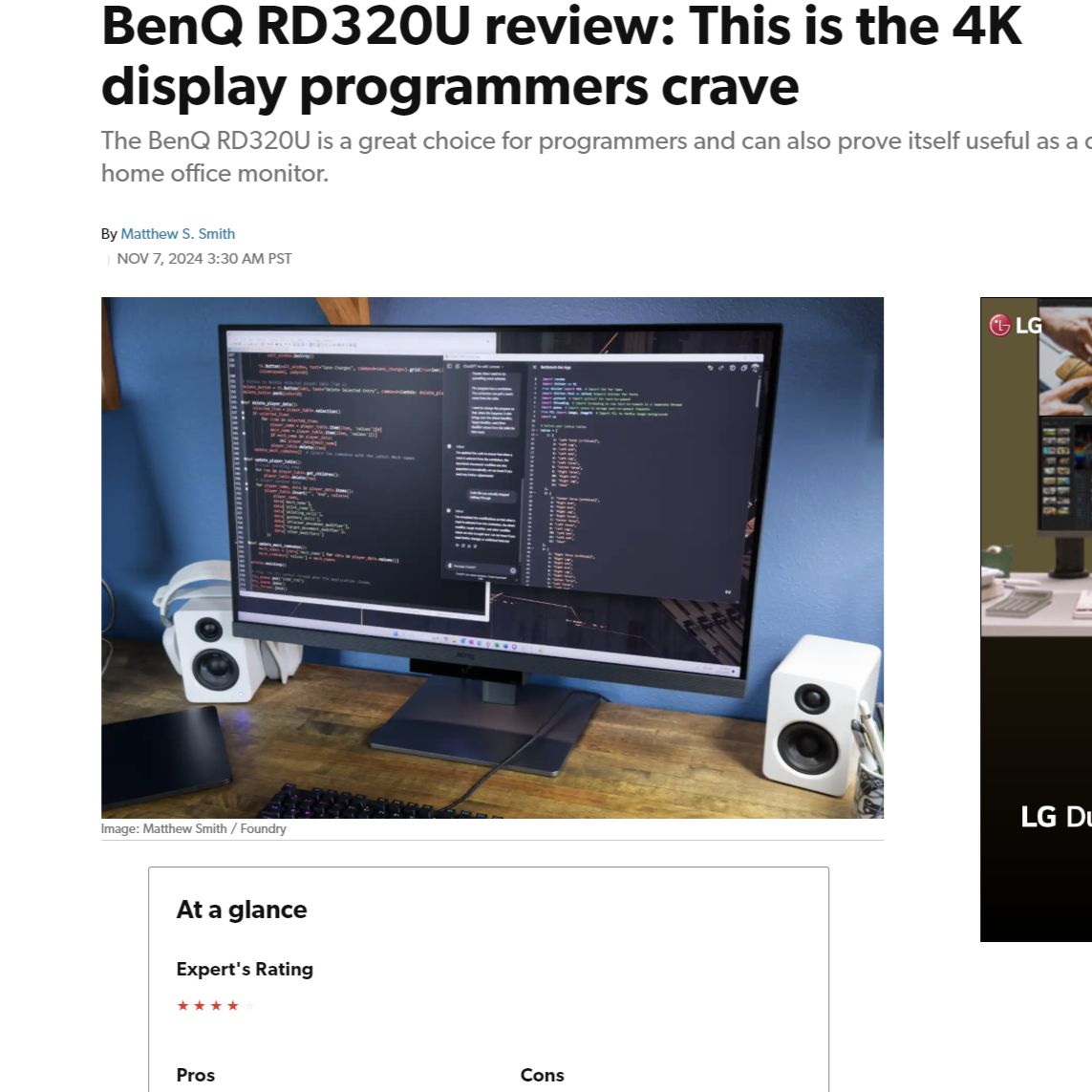
I’m also among the most experienced consumer technology journalists in the business. My first articles were published nearly two decades ago on veteran consumer tech websites like PC Perspective, MakeUseOf, and PC World. I’ve since reviewed thousands of PC laptops, desktops, monitors, and other consumer gadgets. During my six years at Digital Trends I led review coverage of consumer technology, first in computing, then across the entire consumer technology vertical.
Last but not least, I often write and report on Internet gaming history. My research into early online games inspired my first book, which explores the cultural impact of the seminal 1999 massively multiplayer game EverQuest. It’s available on Amazon and other major booksellers.
Where to find my writing
The publications I've worked with include IEEE Spectrum, PC World, Reviewed, PC Mag, MIT Tech Review, The Verge, Ars Technica, Wired, Business Insider, Lifewire, IGN, MakeUseOf, Kotaku, Consumers Digest, Micro Center News, and AskWoody, among others.

I was an editor at leading independent consumer technology publication Digital Trends for nearly six years, starting in the role of Computing Editor and rising to the role of Reviews Editor. I led a group of editors to cover products in literally every major category of consumer tech. Together, the team tested over 1,000 products every year.
I frequently appeared on Digital Trends' YouTube channel during my time with that publication. This included video reviews and exclusive features, such as a deep-dive on Intel's Hades Canyon NUC which, at the time, was the most powerful gaming PC of its size.
I co-hosted a PC hardware podcast with Greg Nibler and Brad Bourque in 2016 and 2017. Close to the Metal issued over 50 thirty-minute episodes during its run. I’ve been a guest on several podcasts and shows, including the New Books Network, Codex History of Video Games, Still Loading, and Exposure. I’ve also appeared nationally on news networks such as KTLA.
In addition, I host my own YouTube channel, Matt on Tech, where I cover trends in consumer technology, gaming, and computing history.